 ALMA CANINA
How to teach your dog to walk without pulling on the lead
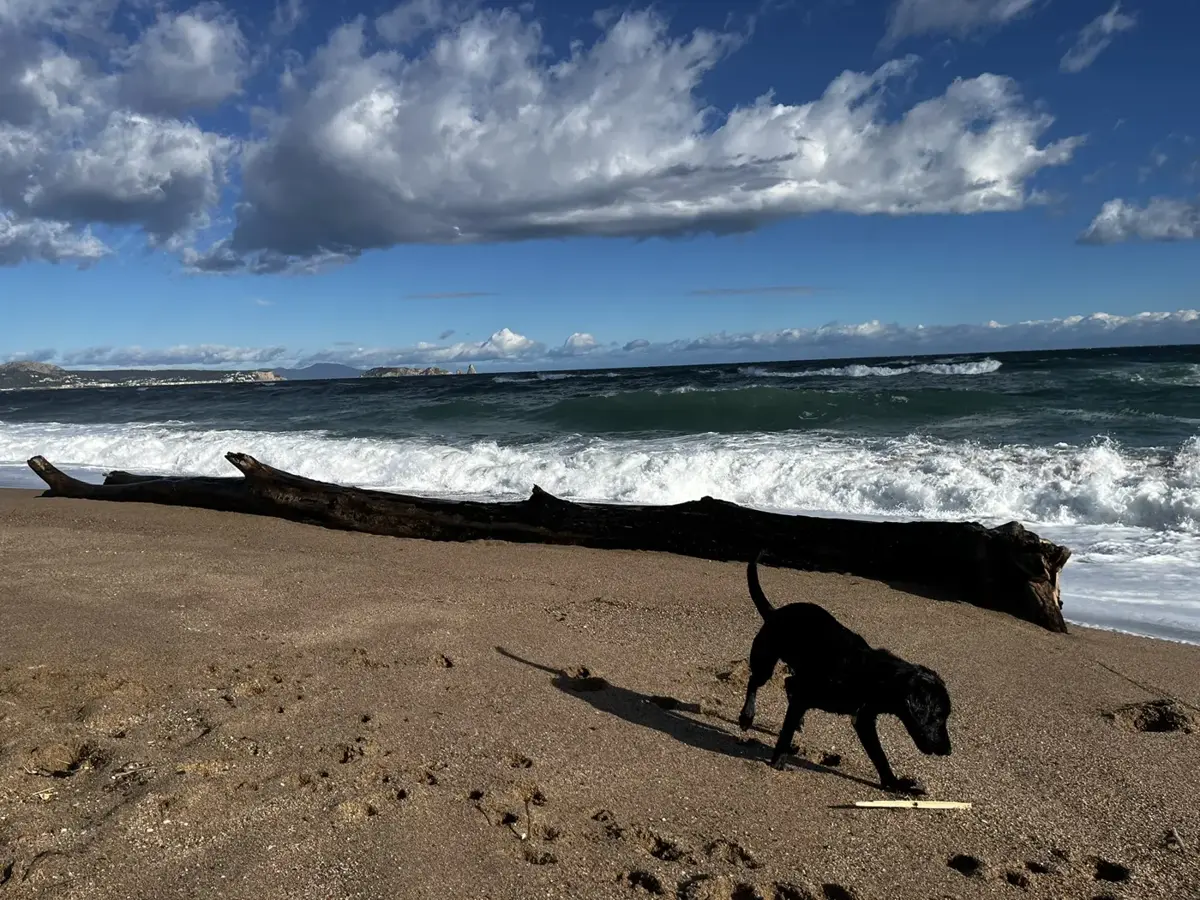
If every walk turns into a tug of war, you're not the only one. Pulling on the lead is the most common reason people contact me in Girona. The good news is that it can almost always be fixed, and there's no need to shout or yank the lead.
Why your dog pulls
Your dog isn't pulling to annoy you. They pull because it works: every time the lead goes tight, they get closer to whatever caught their interest, whether that's a smell on a corner, another dog or the park. Without meaning to, we've taught them that pulling gets rewarded.
On top of that, we walk more slowly than they do. For lots of young, energetic dogs, our pace is boring. So the first thing is to accept that they need to sniff, explore and move.
Exercise 1: a loose lead opens the way
The rule is simple: we only move forward when the lead is loose.
- When your dog pulls the lead tight, stand still like a tree. Don't pull back and don't talk.
- As soon as the lead slackens, even a little, say "good" and walk on.
- Repeat. You won't get very far at first. That's normal.
Within a few days, most dogs work out that pulling gets them nowhere and that a loose lead is what takes them where they want to go.
Exercise 2: reward the right spot
Carry small, soft treats. Every time your dog walks beside you, even for just a couple of steps, give them a treat right by your leg. That way they learn that this spot is worth being in. Over time, the treats become less frequent and are replaced by things they enjoy, like stopping for a sniff.
Exercise 3: changes of direction
When you can see they're about to start pulling, calmly turn and walk the other way, encouraging them with your voice. When they follow you, reward them. This teaches them to keep an eye on you without any need for jerking the lead.
What to avoid
- Jerking the lead: it hurts, it builds tension and it doesn't teach them what to do.
- Choke or prong collars: they can cause injuries and make your dog link walks with something unpleasant.
- Retractable leads while they're learning: they teach the exact opposite, that pulling gets them more lead.
Give them time to sniff
A walk isn't just about walking. Sniffing tires the mind and helps a dog relax. If you allow some free sniffing time on a long line, your dog will be much calmer by the part of the walk where you ask them to walk beside you.
What if it doesn't work?
If your dog pulls out of fear, because they react to other dogs or because they get very worked up out on the street, it's best to see them in person. Every case is different. I can join you on your own walks around Girona and put together a plan that suits your dog. And if you're looking for the right kit, here I explain when to use a collar or a harness.