 ALMA CANINA
Your new puppy: a guide to the first few weeks
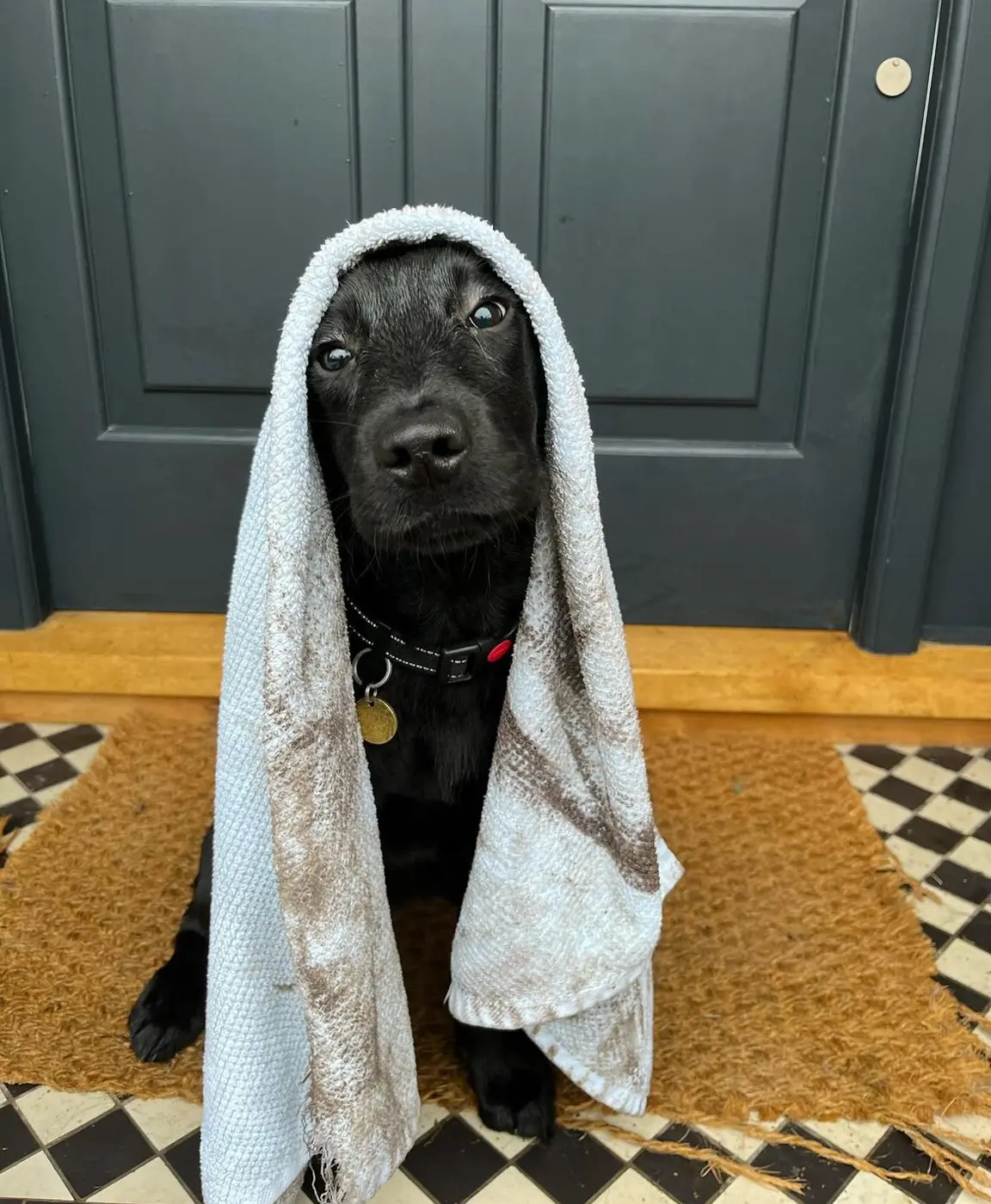
A new puppy brings a lot of excitement and plenty of questions too. What you do in these first weeks will shape a great deal of who your dog becomes as an adult. The good news is that you don't have to get everything perfect. You just need to be calm and consistent.
Socialisation: the window that matters most
In the first months of life, a puppy is especially open to discovering the world. Whatever they experience calmly at this stage will feel normal to them as an adult. So it's worth introducing them, little by little and always in a positive way, to:
- People of different ages and appearances.
- Other calm, vaccinated dogs.
- City noises: cars, bikes, the lift.
- Different surfaces, stairs and the car.
- Having their paws, ears and mouth touched.
The key is getting the amount right. Lots of short, good experiences are better than one that frightens them. Ask your vet about the vaccination schedule and which places are safe until it's complete.
Lots of sleep is normal
Puppies need to sleep for many hours a day. A puppy who doesn't get enough rest becomes more wound up and nips more. Give them a quiet corner and respect their naps, even when you're dying to play.
Toilet training
- Take them out when they wake up, after eating, after playing and before bed.
- When they go outside, praise them straight away.
- If they go indoors, clean up without telling them off. Scolding only teaches them to hide.
- Use an enzyme cleaner to get rid of the smell.
Nipping
Biting is normal. It's how puppies explore and play. What we need to teach them is to control how hard they bite and to bite only the right things. Keep a toy close by to offer instead of your hand, and if they get too excited, pause the game for a few seconds. Very often, a puppy who nips a lot simply needs a sleep.
A simple routine
Regular times for eating, going out and sleeping help them feel secure. Start teaching them to be on their own for short spells too, so you avoid separation anxiety later on.
Their first collar or harness
Puppies grow very fast. Choose something light and easy to adjust, and check the fit often. In this article I explain when to use a collar or a harness.
Puppy sessions
If you'd like to start on the right foot, I can put together a plan suited to your puppy's breed and your home, from socialisation to the first walks. Get in touch and we'll take it from there.